We arrange various trips for Trekking, Peak Climbing, Expedition, Jungle Safari, Rafting, Cultural Tours, individually as well as in groups over Nepal, Tibet, Bhutan and India from well experienced, well skilled, friendly, professional and well motivated team staffs.

Get In Touch

img

Kantipath-27, Kathmandu, Nepal

Mt. Kailash Pilgrimage (Overland)

Mt. Kailash Pilgrimage (Overland)
  • Destinations Pilgrimage in Nepal, Tibet
  • Category Pilgrimage
  • Highest Elevation 5630 m
  • Best Season: April, May, June, July and August
  • Price Rs. 149,999.00
  • Duration 10 Days
  • Trek Duration 9 Days

About This Package

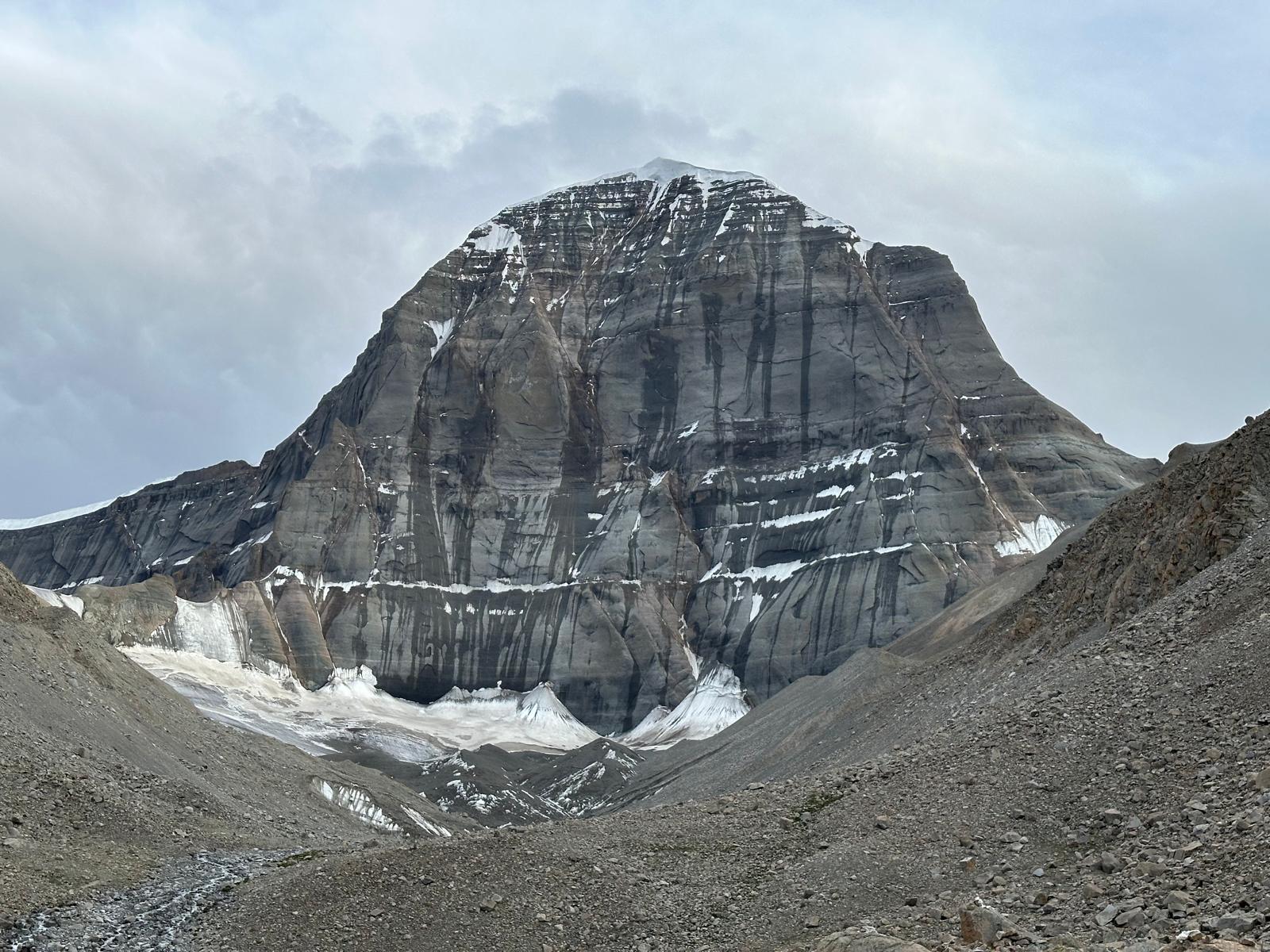
Mount Kailash, known as Kangrinboqê Peak in Tibetan, is a sacred mountain rising to 6,638 meters in the remote region of Tibet. It holds immense spiritual significance for followers of Hinduism, Buddhism, Jainism, and the Bon religion. According to Hindu mythology, it is considered the abode of Lord Shiva. Pilgrims from around the world undertake a sacred journey to circumambulate Mount Kailash, a ritual believed to bring spiritual purification and merit. A key part of this pilgrimage also includes a holy bath in the pristine waters of Lake Mansarovar, considered a divine site for sacred rituals.

The highlights of the Mount Kailash Mansarovar Tour are the mesmerizing turquoise-blue Mansarovar Lake and the snow-capped, pyramid-shaped Mount Kailash. Towering above the vast Tibetan plateau, Mount Kailash stands like a natural monument, with its striking black rock streaks and gleaming white snow creating a breathtaking visual contrast. The serene Mansarovar Lake, with majestic peaks in the background, completes the picture of this truly heavenly landscape. 

This transformative 10-day journey from Kathmandu offers not only a physical adventure but a deeply spiritual experience unlike any other.

This pilgrimage can be done from another entry point to Tibet, Hilsa. It involves using domestic flights and a helicopter ride. If you would like to take that route, let us know.

Detailed Itinerary

Download Itinerary

Early morning, we will drive from Kathmandu to Syabrubesi, a small town near the Tibetan border covering 141 Km. The scenic drive takes you through lush green hills, rivers, and terraced farmlands. Overnight stay at Hotel in Syabrubesi.

Day 1

After breakfast, we will drive to Rasuwagadhi covering 15 Km and once we reach Timure, we will alight from the vehicle and walk for 10-15 min to cross the bridge to reach Nepal/China border. After clearing immigration, we will meet Chinese guide and bus driver, then continue further drive to Kyirong. Overnight in Kyirong.

Day 2

After breakfast, we will continue our journey to Saga covering 175 Km. Enjoy scenic views of snow-capped mountains, flowing rivers, and traditional Tibetan villages along the journey. En route, pass by the serene Peku Tso Lake and the mighty Brahmaputra River, both offering breathtaking photo opportunities. We will arrive in Saga by late afternoon. Upon arrival, check in to our hotel and take some time to rest and refresh. In the evening, we may take a light acclimatization walk around the area to help your body adjust to the altitude, followed by dinner.

Day 3

Today marks the longest driving day of the journey, filled with anticipation and awe-inspiring landscapes. As the convoy of jeeps and trucks rolls through the vast valley, the route follows meandering rivers and expansive grazing lands dotted with yaks and sheep. To the south, snow-covered peaks rise majestically, while rugged rocky hills and sand dunes create an otherworldly terrain.

Depending on the season, you may encounter nomads and mobile shopkeepers dressed in vibrant traditional attire, warmly welcoming travelers with hot tea, supplies, and bright smiles.

By late afternoon, you’ll catch your first glimpse of the sacred Mount Kailash and the shimmering waters of Lake Mansarovar—one of the holiest lakes in both Hinduism and Buddhism. The distant view of Mount Kailash enhances the spiritual atmosphere, making this moment truly unforgettable. Enjoy the peaceful surroundings and spiritual energy of this sacred place. Overnight stay near Lake Mansarovar.

Day 4

Manasarovar is the lake of compassion, tranquility and bliss. After completing the memorable morning Bath and Puja, we will visit Chiu Monastery. Then, we will be heading towards Darchen. It is considered as a base camp for the Holy Mount Kailash trek. It is also called Kailash Kora. We will take the evening to rest and prepare for the next day’s trek. Overnight in Darchen.

Day 5

We begin the day with a drive to Yamadwar, the gateway to the sacred Mount Kailash. From here, we start the first day of the Kailash Kora (circumambulation), trekking toward Diraphuk. This is one of the most exciting and visually stunning days of the journey.

The trail winds along dramatic rocky cliffs, cascading waterfalls, and serene landscapes, often set beneath a clear blue sky with occasional drifting clouds. As you walk, you’ll be treated to breathtaking views of the majestic north face of Mount Kailash—one of the most revered sights of the pilgrimage. The trek covers approximately 12 kilometers and typically takes around 7 hours to complete at a steady pace. Overnight stay at Diraphuk.

Day 6

This is the most physically and mentally challenging day of the Mount Kailash Kora trek. The journey begins with a steep ascent from Diraphuk to Dolma La Pass (5,630 meters), the highest point of the entire trek, followed by a steep descent to Zuthulphuk. Dolma La holds deep spiritual significance—Buddhists associate it with the goddess Tara, while Hindus revere it as the realm of Parvati, the divine consort of Lord Shiva. At the pass, pilgrims and trekkers often hang Tibetan prayer flags as a symbol of their achievement. Upon reaching the summit, take a moment for sacred offerings or quiet meditation to connect with the spiritual energy of the place. As you descend, you’ll pass by Parvati-sthal and the sacred Gauri Kund. After covering approximately 22 kilometers, you will arrive at Zuthulphuk by late afternoon. Overnight stay in Zuthulphuk.

Day 7

After trekking the final 8 Km from Zuthulphuk to the roadhead near Darchen, we will complete the Mount Kailash Kora. The trail is gentle and scenic, offering time for spiritual reflection. Then, we will drive back to Saga, retracing the route across the Tibetan plateau. After 7-8 hours of drive, we will reach our hotel in Saga where we rest and recover.

Day 8

We will drive back to Kyirong, crossing through scenic Himalayan landscapes. The gradual descent brings physical relief. Upon reaching Kyirong, we can have shopping or walk around the peaceful border town. Overnight in Kyirong.

Day 9

We will cross back into Nepal after clearing immigration and drive to Kathmandu. Arrival in Kathmandu marks the end of sacred Mount Kailash-Mansarovar Tour.

Day 10

What's inside the package?

Inclusions
  • Tibet Group visa and travel permit fee
  • All transportation in a bus
  • 9 Nights’ accommodation in Tibet using guest house
  • Vegetarian Breakfast, Lunch and Dinner for entire trip
  • All entrance fees mentioned in the itinerary
  • One English and Nepali speaking Tibetan guide
  • 1 portable oxygen cylinder per person
Exclusions
  • Multiple entry Nepal visa fee for foreigners 
  • Visa from Tibet 
  • Travel insurance 
  • Yak, Porter and Horse for personal use
  • Tips for guide and driver
  • Personal expenses

Useful Information

Visa Process and need to be carry Equipments

A clear color scan copy of your passport along with 25% Advance payment. Passport must have minimum of 6 months validity.

Equipment List - Kailash Mansarovar Yatra Clothing

  • Base Layers (thermal tops and bottoms): Essential for warmth. 
  • Trekking Shirts: Quick-drying, moisture-wicking materials. 
  • Trekking Pants: Lightweight, durable, and quick-drying. 
  • Fleece Jacket: For insulation and warmth. 
  • Down Jacket: High-altitude and nighttime temperatures can be frigid. 
  • Waterproof Jacket and Pants: For protection against wind and rain. 
  • Warm Hat: Insulated for cold weather. 
  • Sun Hat: To protect from the intense sun at high altitudes. 
  •  Gloves: Warm, windproof, and waterproof gloves. 
  • Trekking Socks: Moisture-wicking and cushioned for comfort. 
  • Balaclava or Scarf: To protect your face from cold winds and dust. Footwear 
  • Trekking Boots: Sturdy, waterproof, and broken-in for long days of trekking. 
  • Camp Shoes/Sandals: Comfortable for resting in the evenings. 
  • Trekking Socks: Wool or synthetic, and always carry a few extra pairs. Trekking Gear 
  • Backpack (50-60L): To carry personal gear during the trek. 
  • Daypack (20-30L): For essentials like water, snacks, and a camera. 
  • Trekking Poles: Helpful for balance and reducing impact on knees during steep ascents/descents. 
  • Sleeping Bag: It should be rated for at least -10°C (14°F), as temperatures can drop significantly at night. 
  • Headlamp with Extra Batteries: Essential for evenings and early morning treks. 
  • Thermos: Useful for carrying hot water during the trek. 
  • Water Bottles/Hydration System: For staying hydrated throughout the day. Health and Safety Items 
  • First Aid Kit: Include bandages, antiseptic cream, blister care, and medications for altitude sickness, headaches, and diarrhea. 
  • Sunscreen (SPF 50+): Essential due to the strong UV rays at high altitudes. 
  • Lip Balm with SPF: Protects against dry, cracked lips. • Hand Sanitizer: For maintaining hygiene. 
  • Personal Medications: Any prescribed medications you need during the trek. Additional Essentials 
  • Sunglasses (UV protection): To protect your eyes from the harsh sunlight and reflection of snow. 
  • Trekking Towels: Lightweight, quick-drying towels. 
  • Water Purification Tablets: Helpful if you need to purify local water. 
  • Snacks: High-energy snacks such as nuts, dried fruit, or energy bars. 
  • Wet Wipes and Toilet Paper: Basic hygiene essentials. 
  • Cash: In small denominations for any purchases along the way. 
  • Copies of Important Documents: Passport, permits, travel insurance, and visa.

Optional Items 

  • Camera/Phone with Extra Batteries: For capturing the breathtaking views. 
  • Portable Power Bank: For charging your electronics. 
  • Notebook and Pen: To record your experiences and thoughts during the journey. 
  • Prayer Flags or Incense: To leave at sacred sites if desired.